Posts

Showing posts with the label Ideas

How to Get Rid of Whiteflies

Image
White flies are tiny, sap-sucking insects that are frequently abundant in vegetable and ornamental plantings. They excrete sticky honeydew and cause yellowing or death of leaves. The ability of the whitefly to carry and spread disease is the widest impact they have had on global food production. In the tropics and subtropics, whiteflies have become one of the most serious crop protection problems. Economic losses are estimated in the hundreds of millions of dollars. Soapy water : If you want to use something safer than pesticides, soapy water will work. I use it sometimes when I need to spot treat small infestations. - The problem with soapy water is I don't think it will kill all stages of white fly, only the adult stage. That means you will need to treat the plant about every three or four days for a couple weeks to kill the two or three generations you might have on your plant. Neem oil : You can use Neem oil . Be sure to spray the soil, that's where they lay the...

Controlling Blossom Drop of Tomatoes

Image
Symptom : Tomato flowers fall off prematurely causing very little or no fruit to actually develop. Cause : "Blossom Drop" is usually caused when the tomato plant experiences a sudden change in the weather, typically when night temperatures are lower than 55 degrees F, when day temperatures are higher than 95 degrees F, or when night temperatures remain above 75 degrees F. Hot drying winds and a sudden lack of moisture for the plant may intensify the problem. Remedy : Add mulch to keep the soil moisture even. Use TOMATO BLOSSOM SET SPRAY , an all-natural plant hormone that helps blossoms set fruit in spite of poor weather conditions, producing larger, meatier tomatoes with fewer seeds. Use early in the season and get tomatoes up to three weeks earlier. When tomato flowers are fully open, spray regularly for bigger yields all season. Improving weather conditions may also solve the problem without action.

Why Tomato Plants Turn Yellow

Image
Symptom : Yellow, uncurled leaves begin to form at the bottom of the plant and make their way up. Cause : If the yellow leaves appear at the base of a tomato plant, it can be a sign of aging and that the plant may be beginning to die. It can also be caused by a nitrogen deficiency in the soil. On occasion, other factors may cause yellow leaves including pest, fungus and bacteria infestations. These three causes usually produce other symptoms besides plain, uncurled, yellow leaves at the base of the plant. For example, if the leaves are turning yellow or brown higher up on the plant, it may be a sign of early blight. Have your soil tested at a local nursery to confirm the nitrogen-deficiency diagnosis. Solution : If the soil have a nitrogen deficiency, supplementing the soil with well-rotted manure or compost, both of which are rich in nitrogen. You can also apply a nitrogen-rich fertilizer .

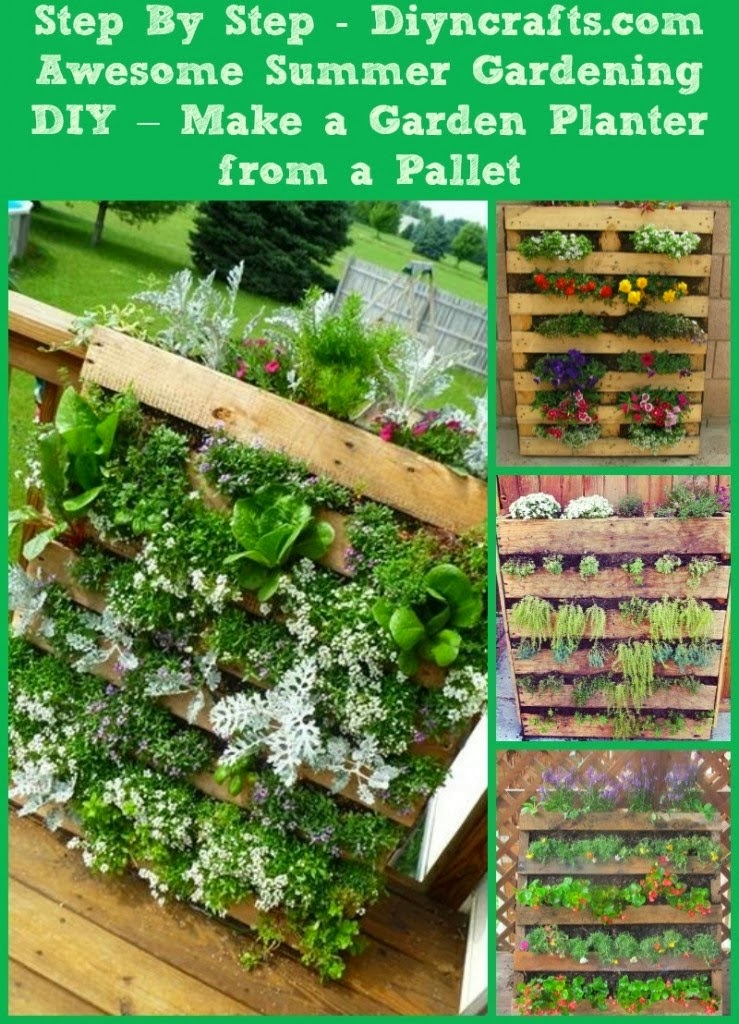
Making a Garden Planter from Pallets

Image
You know you just love planting those summer gardens. Even if you don’t have a relatively large space for your garden, you can still plant your favorites this summer by making your own garden planter. This planter made from an old shipping pallet is great and it is very easy to make; not to mention cheap. Doing your own gardening is great. It gives you the opportunity to save money and to ensure that you are not feeding your family products that have chemicals in them. You can grow your own vegetables and ensure that they are completely free from pesticides and other harmful chemicals. You can use the pallet planter for vegetables, flowers, herbs or anything that you want to grow and it’s so easy to make that you can do several of them so that you have one available for every type of plant that you want to grow.

Beneficial Garden Insects

Image
Predators hunt, attack, and kill their prey. Encourage these natural enemies by avoiding pesticides that kill them; choosing plants that provide them pollen, nectar, and shelter; and keeping ants out of pest infested plants. common predators that eat garden pests are pictured below. Nabids or the damsel bugs: They are considered helpful species in agriculture because of their predation on many types of crop pests, such as cabbage worms, aphids, and lygus bugs. Green lacewings: They feed on pollen, nectar and honeydew supplemented with mites, aphids and other small arthropods. Lady Beetle or Coccinellidae: They feed on aphids or scale insects, which are pests in gardens, agricultural fields, orchards, and similar places. Mealybug Destroyer: Feeds on Mealy-bugs (Pseudococcus sp.) and other scale insects. Minute Pirate - Bug Orius spp Minute pirate bug or Anthocoridae: Pirate bugs feed on other small insects, spider mites and insect eggs. They cut a hole into their prey, pump saliva into ...

How to grow asparagus plants

Image
How To : • Choose a sunny part of the garden with good drainage. • Dig a trench and check the pH, which should be 6.5 to 7.5. • Plant the crowns about 8 in. deep and 15 in. apart. • Cover initially with 2 in. of dirt, and gradually fill the trench as the spears emerge. • The edible stems of asparagus rise directly from the ground. Spears that are about 8 in. tall are ready to harvest. • Snapping of the spear by hand is easy and protects the plant. You can use a knife, but be careful not to damage developing stems. • At the end of the harvest, allow the asparagus plants to form ferns. These help transfer energy to the roots for good spear development the next season From : vegetablegardener.com

18 Common Garden Pests

Image
Let's face it - there isn't a gardener or farmer who hasn't come across one of these pests, while working in their organic garden. By finding out more about these insects and ways to control them, it is possible to grow healthy, abundant crops, and keep your garden healthy! Aphid : Aphids passively feed on sap of phloem vessels in plants, as do many of their fellow members of Hemiptera such as scale insects and cicadas. Once a phloem vessel is punctured, the sap, which is under high pressure, is forced into the aphid's food canal. Army worm : Its name is derived from its feeding habits. They will eat everything in an area and once the food supply is exhausted the entire "army" will move to the next available food source. Asparagus Beetles : After emerging from "overwintering," the beetles begin to eat the young shoots and tips of the asparagus plant. This usually occurs somewhere around early to mid-April, depending on the region's climate. Once...

Starting seeds is the inexpensive way to grow more of your favorite plants

Image
Starting plants from seed has many practical benefits: You save money, get a head start on the growing season, and choose from varieties far beyond those locally available. You also get to experience the joy of watching a seemingly lifeless seed sprout into a living plant. Read more at :  Seed-Starting Essentials

coloured Solar Fairy String Lights for Gardens

Image
This solar LED works by converting solar energy into electricity during the day, and it lights up automatically at dark. The volume of solar energy converted and stored everyday ,great and long lighting performance. Sealed process, with good waterproof performance. Suitable for indoor and outdoor decoration with trees, wreaths, etc. 100 LED lights STEADY and FLASH in a string, form a beautiful and fairy world. Buy it from AMAZON.COM

Chicken Feeder. Holds a lot of food and doesn't take up too much floor space!

Image
Chicken Feeder. Holds a lot of food and doesn't take up too much floor space!

6 Things To Keep Bad Bugs Out Of Your Garden

Image
One of the best ways to control the insects and pests that damage the plants in your garden is by allowing helpful pests in that will drive those harmful ones away or eat them. 1. By planting inviting plants or “homes” for the helpful insects, you can keep the harmful ones at bay quite efficiently. Check with your local gardening center on which plants attract the good pests. 2. Another thing to keep in mind is to keep your garden clean. The harmful pests are often attracted to piles of leaves, grass cuttings and dense spots of weeds. These pests can thrive in those areas, so weed your garden regularly and clean up the leaves and grass cuttings that find their way into your garden. 3. Some organic gardeners use a hot pepper wax that they lightly spray on the leaves of their plants. The oils from the spicy contents of this wax wards off the harmful insects and other pests as well. 4. The wax solution is safe for your plants and doesn’t affect the produce at all, so don’t worry about “sp...

How to Make Mini Spiral Garden

Image
Making a mini spiral garden is really fun and can be used for gardening. You will not need a lot of time to do this, so taking about 8 minutes out of your time will help you start and finish this project. Have fun and be very creative.

How To Make a Moss Plant Vase

Image
A moss plant vase is really awesome for your garden. You can make this in as little as 15 minutes. make sure that you have all your materials and then get started on your project. When you are done you can place these in your garden. You’ll Need: Tin Cans (an assortment of sizes) Crochet Thread or Kite String Sphagnum Moss Daffodils (or any small blooming plant will do) Small pebbles Scissors Full instructions at :  www.oncewed.com

How to plant an avocado tree

Image
How to : Eat an avocado (fun part) Clean-off the pit Suspend it over a dish of water with toothpicks (half-submerged) Wait 3 to 6 weeks for it to sprout Plant in a 10″ diameter pot, filled with good, well draining potting soil. Simple enough, right? Now, I can't guarantee that you'll have fruit for even a year or two, but it's worth the wait. Or you can buy a small Avocado Tree and plant it in your garden, they like loose, rich, fast draining soil.

Flower Guide

Image
Choosing flowers for a special occasions can be challenging with all the flower choices available today. If you don’t know what you want, take a look at this flower chart. It’s a handy reference guide to the most commonly used flowers in the cut flower industry and is organized by colour. Or you can use this Beautiful Reference Guide " Flowers A to Z: Buying, Growing, Cutting, Arranging " it shows the difference between fresh and older flowers and demonstrat the care required for that particular type. A special quick-reference box on each flower offers: the flower's various names; the varieties in which it comes; available colours; scent; characteristics of freshness or aging; vase life in number of days; and flower's meaning in the language of flowers.

How to Start Seedlings Indoors

Image
Just because your garden is covered in snow doesn’t mean you can’t start your spring seedlings. Use our six steps to start seedlings indoors for your spring garden. Compile Your Gear: You don’t need expensive grow lights. Simple shop lights will do since your seedlings won’t be grown indoors long-term. An inexpensive seedling tray and a bag of potting soil also will be needed. Plant Your Spring Seedlings: Fill your tray will soil and pack lightly. Moisten the soil and plant at least two seeds per space. Plant a variety of garden seeds in your tray and mark your seedlings with fruit and vegetable names. Moisten the soil again and cover with clear plastic. Keep the plants out of direct sunlight. Check your seedlings daily. Once you see sprouts in each space, you can remove the plastic and add your lighting. Give Them Light: Your plants will need about 12 hours of light each day. Hang shop lights just above (no more than three inches) your seedling trays. Provide light daily for six wee...

Wood Planter for the Wall

Image
How to Make a Wood Planter for the Wall Read full tutorial at :  www.shanty-2-chic.com

Raised bed gardening layouts

Image
Raised bed gardening layouts

How to make moss graffiti

Image
Moss graffiti - mix yogurt, water and live moss in a blender, then paint onto a wall. Moss will grow in the shape of whatever you painted. Just remember to spritz it with water every once in a while to keep it alive

Make Room For Melons

Image
There is nothing like a vine ripened melon picked right from your own garden. Bite into a slice of sweet juicy watermelon on a hot July day, smell the aroma of a vine ripe muskmelon, or savor a sweet honeydew or specialty melon you grew yourself and it's love at first bite. Why Grow Your Own While melons are readily available in the grocery store there are many reasons to grow your own. Home growing allows you to try many new varieties and old heirlooms not available in the supermarket. Organic gardeners can avoid using any pesticides or synthetic fertilizers on their melons. Flavor is another reason to grow your own. While a muskmelon will continue to ripen after harvest, sugar content no longer increases after it is detached from the vine. Let's face it, for a melon to be put in a field truck, rolled down the belt of a packing house, boxed and trucked across the country it needs to be a little less ripe than one that need only be hand carried from the garden to the back porch...